

Traveling with pets, Because they are family too!

✈️ What to Expect When Flying with Your Pet: A Complete Guide for Stress-Free Air Travel
Traveling with your furry friend? Whether you're jet-setting with a dog or flying with a cat, knowing what to expect when flying with pets can make all the difference. This guide covers everything from airline pet policies to in-cabin pet travel tips—so you and your pet can take off with confidence.

🛫 At the Airport: What to Expect
-
Arrive early to allow time for check-in and security
-
Use airport pet relief areas before boarding
-
At TSA, you’ll carry your pet through the scanner while the carrier is screened
🌍 International Pet Travel Considerations
Flying internationally with pets? You’ll need:
-
Pet passport or international health certificate
-
Country-specific import permits or quarantine rules
-
Rabies titer test (for destinations like the EU or Japan)
-
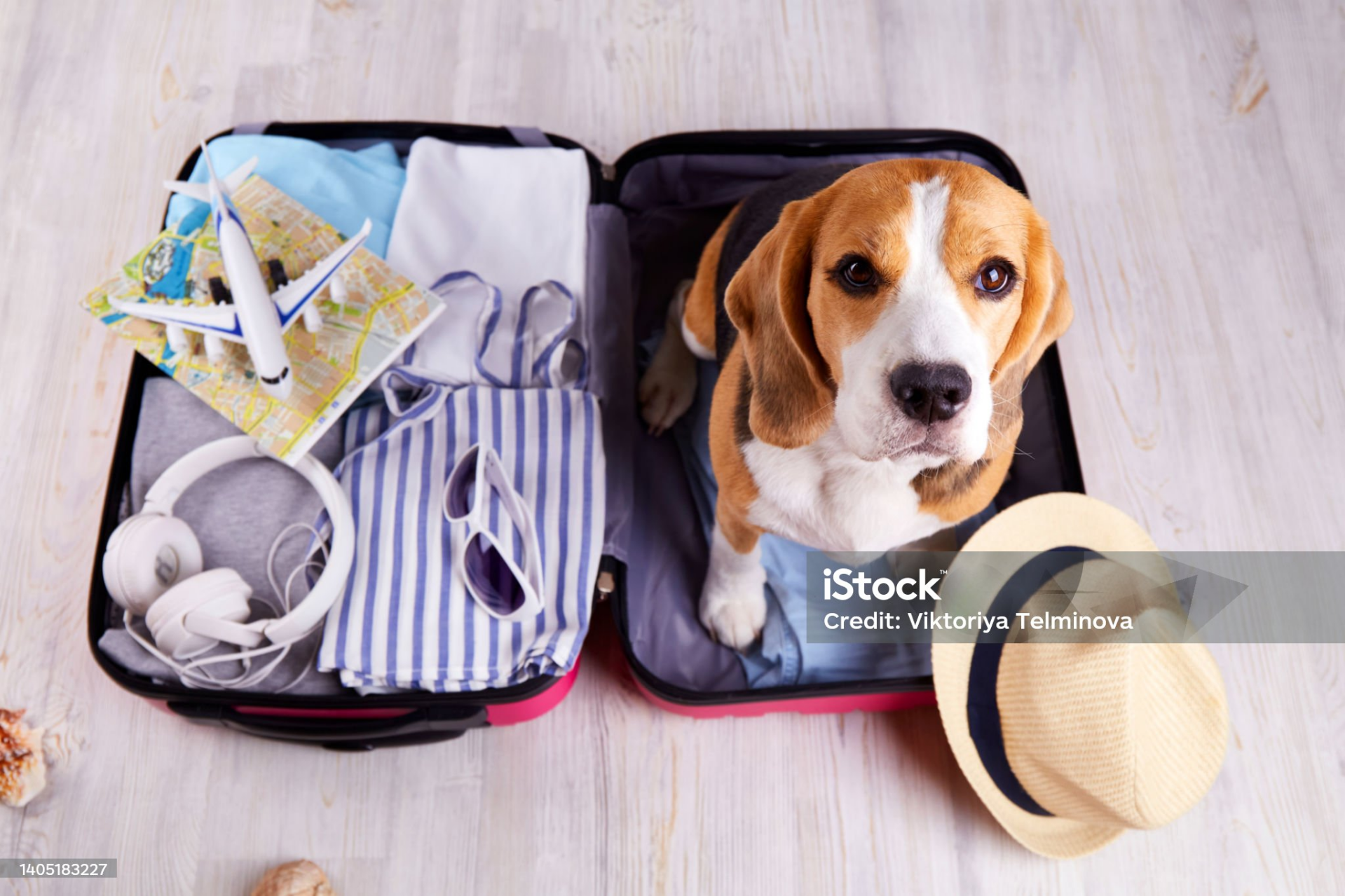
🐾 Do Pets Know It’s Better to Travel With You?
There’s no scientific proof that pets consciously compare traveling with you vs. being boarded, but behavior experts agree on something important:
Pets understand emotional safety. They know when they’re with their person, and that alone reduces stress, anxiety, and confusion. Many sources highlight that pets feel more secure and relaxed when they stay close to their owner during unfamiliar experiences. Traveling together strengthens the bond and reduces the guilt, worry, and separation stress that both pets and owners feel when apart.
So while they may not think, “This is better than boarding,” they absolutely feel:
-
More secure because their routine and person are still present
-
More confident exploring new environments
-
Less stressed than being left behind in a strange place
And honestly, most pets just want to be where you are.
🌎 What the Research Says About Traveling With Pets
Here are the biggest takeaways from current sources:
❤️ Emotional Benefits
-
Traveling together deepens your bond — shared experiences strengthen attachment.
-
Pets provide comfort and emotional support, reducing stress and anxiety for the owner.
-
Owners often feel less guilt and worry when their pet is with them instead of boarded.
🐶 Benefits for the Pet
-
Pets get mental stimulation from new sights, smells, and environments.
-
They get more socialization opportunities, which can boost confidence.
-
They avoid the stress of boarding, which can be overwhelming for sensitive animals.
🧳 Practical Benefits
-
You avoid boarding fees and the risk of your pet feeling abandoned.
-
More hotels, resorts, and destinations are pet‑friendly than ever, making travel easier.
🏥 Visit the Vet Before You Fly
Most airlines require a certificate of veterinary inspection issued within 10 days of travel. Your vet can also:
-
Ensure your pet is healthy enough to fly
-
Recommend anti-anxiety options (no sedation unless advised)
-
Update vaccinations and flea/tick prevention


🐕 Is Flying Right for Your Pet?
Not all pets are suited for air travel. Chances are your pet is going to confused and scared, Just remember they will be ok. Especially omce they see you when the plane lands all the stress they had will go out the window. Consider alternatives if your pet:
-
Has severe anxiety
-
Is a senior pet or has health issues
-
Is a large breed that must fly in cargo
About us
🐾 Before You Book: Know the Airline Pet Policies
Not all airlines are created equal when it comes to pet travel. Here’s what to check before booking:
-
Pet travel fees (typically $95–$150 each way)
-
In-cabin pet weight limits (usually under 20 lbs including carrier)
-
Breed restrictions (especially for brachycephalic or snub-nosed breeds)Pet carrier size requirements (must fit under the seat) 💡 Pro tip: Book early—most airlines limit the number of pets allowed per fligh
✈️ Standard Under-Seat Pet Carrier Dimensions

| AIRLINE | one way | pet limit | Max Lenght | Max Width | Max Height |
| American Airlines | $150 | 1 | 19in | 13in | 9in |
| Delta Airlines | $95 | 1 | 18in | 11in | 11in |
| United Airlines | 18in | 11in | 11in | ||
| Southwest Airlines | $125 | 2same crate | 18.5in | 13.5in | 8.5in |
| Jet Blue | 17in | 12.5in | 8.5in | ||
| Fronteer | $99 | 1 | 18in | 14in | 8in |
| Alaska Airlines | $100 | 2 same crate | 17in | 11in | 7.5in |
Step‑by‑step: How to measure a pet for a travel crate
You’ll want your pet standing up naturally, not sitting or lying down
1. Length: Nose to base of tail
-
What to do: Measure from the tip of the nose to the base of the tail (where the tail starts, not the end of the tail).
-
Why it matters: This is the minimum inside length of the crate.
-
Pro tip: Add about 2–4 inches so they’re not cramped.
2. Leg height: Ground to elbow/chest
-
What to do: Measure from the ground up to the elbow joint (front leg) or to the bottom of the chest.
-
Why it matters: This helps ensure there’s enough room for them to stand and shift weight comfortably.
-
3. Height: Ground to top of head or ears
What to do: While your pet is standing, measure from the floor to the tallest point—
-
For most dogs: top of the head
-
For dogs with upright ears: top of the ears
-
For cats: top of the head
Why it matters: This is the minimum internal height of the crate. Add a bit for bedding thickness too.
4. Width: Widest part of the body
-
What to do: Look at your pet from above and measure across the widest part of the body (usually the chest or hips).
-
Why it matters: This helps make sure they can turn around without scraping the sides.
What to do: While your pet is standing, measure from the floor to the tallest point—
-
For most dogs: top of the head
-
For dogs with upright ears: top of the ears
-
For cats: top of the head
Why it matters: This is the minimum internal height of the crate. Add a bit for bedding thickness too.
-
🧳 Cargo Travel (For Larger Pets)
✈️ Flying With Your Pet: Cargo Costs & Guidelines
If your pet is too large for cabin travel, they’ll need to fly in the cargo hold. This is common for medium to large dogs.
Cost ComponentEstimated Price Range
Cargo Check-In Fee $225 – $1,000
+Crate/Carrier Fee $50 – $150
Overweight Pet Fees $100 – $500
+Long-Haul Surcharge $75 – $300
Holiday/Peak Travel Fee $50 – $100
🛫 Airlines require:
-
Health certificate from a vet (usually within 10–20 days of travel)
-
Hard-sided crate that meets IATA standards
-
Advance booking—cargo space is limited and seasonal
🧼 3. Prep Checklist for Pet Air Travel
-
🐾 Airline-approved carrier or crate (check size restrictions)
-
📄 Vaccination records & recent health certificate
-
🧸 Comfort items (favorite toy, blanket)
-
💊 Medications & first aid essentials
-
🐕 Absorbent pads for long flights
-
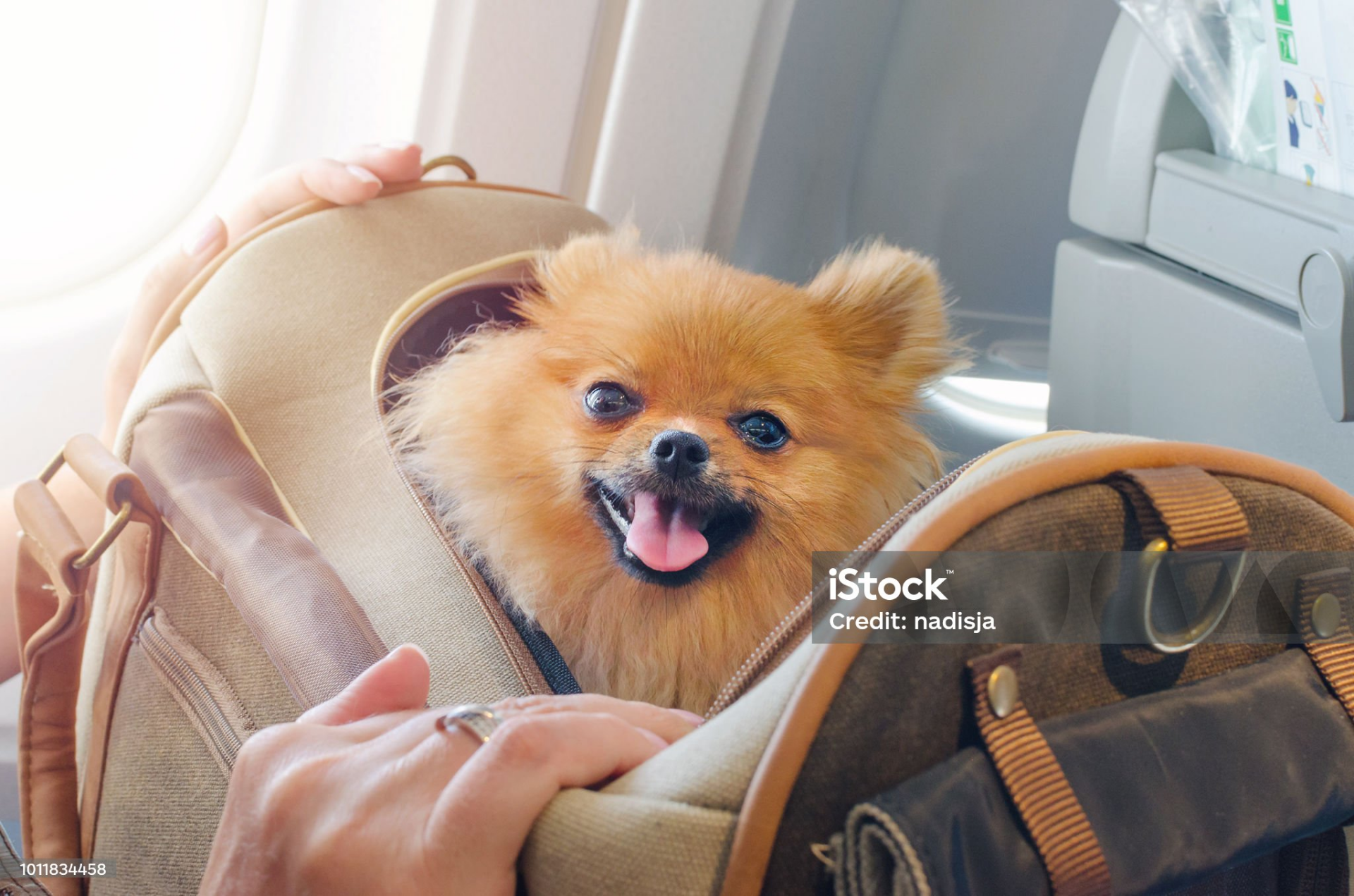
Soft sided carriers are often preferred because they can flex slightly to fit under the seat, especially if the space is tight.
Always check your specific flight’s aircraft model—seat space can vary even within the same airline.
Measure your pet while standing and lying down to ensure they can stand, turn around, and lie comfortably inside the carrier.
Some airlines list linear dimensions (length + width + height), usually not exceeding 36 inches total.
✨ Final Thoughts
Flying with your pet doesn’t have to be stressful. With the right preparation, an airline-approved pet carrier, and a calm mindset, you and your four-legged companion can enjoy a safe and smooth journey.
Don't miss out on the chance to save while enjoying the quality and service you love. Keep an eye on this space for the latest updates and grab these amazing deals while they last!